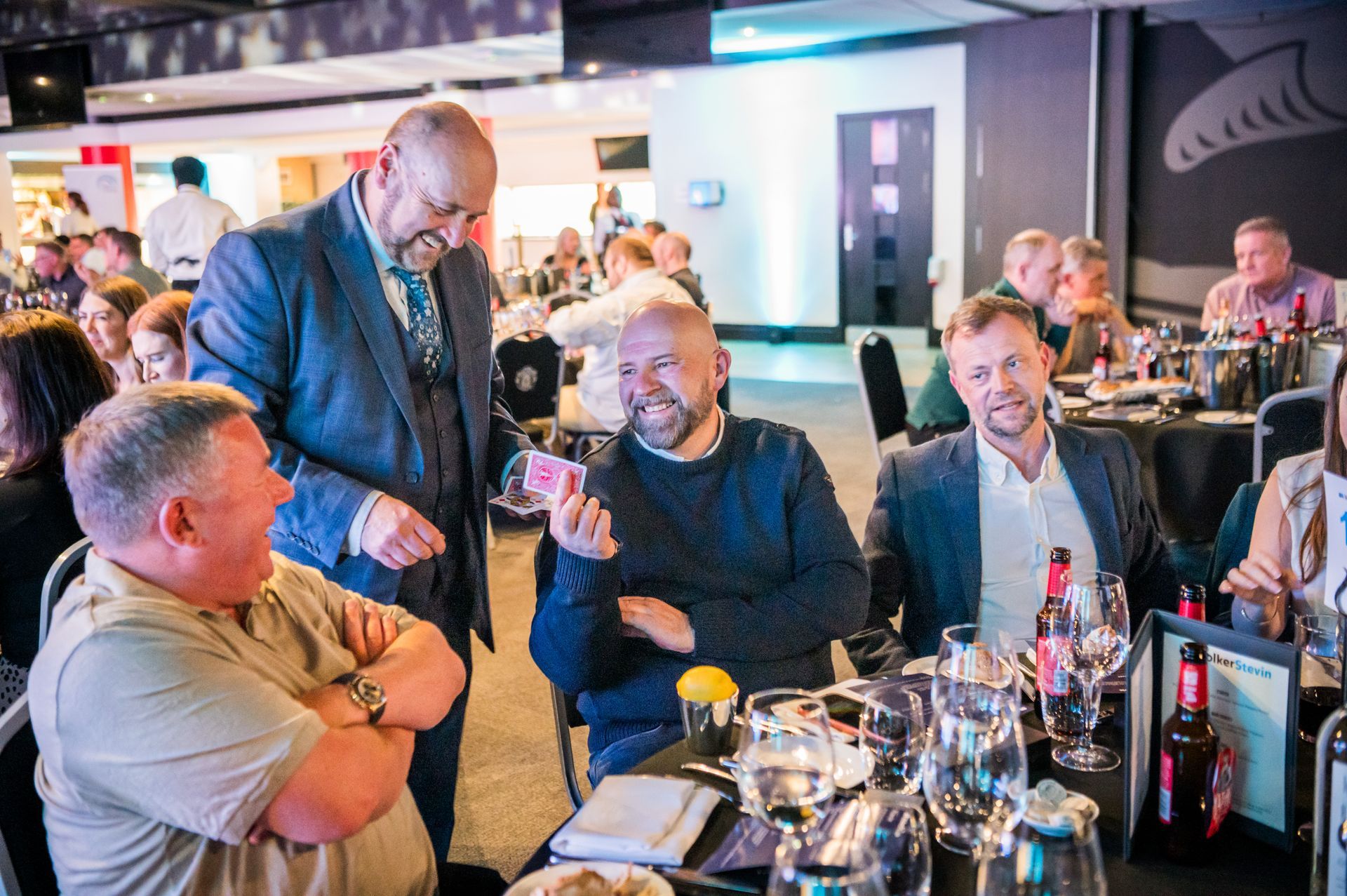
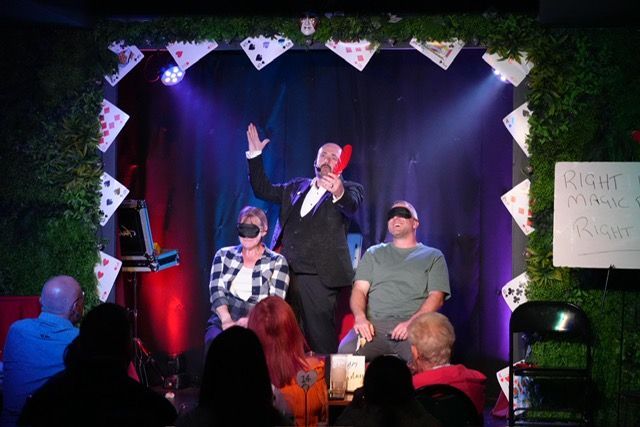
The Psychology of Magic: 30 Years of Wonder, Human Behaviour and Astonishment

Introduction
For more than thirty years, I have enjoyed a unique perspective on human behaviour.
As a professional magician, I have stood just inches away from thousands of people and watched their reactions as something seemingly impossible happened right before their eyes. I've witnessed laughter, disbelief, amazement and genuine wonder from people of every age and background.
What fascinates me most isn't the trick itself.
It's the way the human mind responds to mystery.
Magic is far more than sleight of hand. It is a remarkable combination of psychology, attention, memory, storytelling, emotion and human connection. Whether performed at a wedding, corporate event or private celebration, magic taps into something deeply rooted within us all.
In this guide, we'll explore why magic works, what happens inside the brain when we experience astonishment, and why the feeling of wonder remains as powerful today as it was thousands of years ago.
Why Humans Have Always Been Fascinated By Magic
The Origins of Wonder
Long before television, cinema or social media, people gathered to witness the impossible. Ancient civilisations were captivated by mystery, illusion and storytelling.
The desire to experience something beyond explanation appears to be woven into human nature itself.
Magic Through The Centuries
From ancient street performers and travelling entertainers to Victorian theatre magicians, every generation has embraced magical entertainment in one form or another.
Although methods have evolved, the emotional reaction remains remarkably similar.
Why Magic Has Never Disappeared
Unlike many forms of entertainment that come and go, magic continues to thrive because it offers something unique.
It creates a sense of mystery that challenges our understanding of reality.
What Is The Psychology Of Magic?
Why The Human Brain Seeks Answers
Our brains are constantly trying to make sense of the world around us.
We naturally look for patterns, explanations and logical conclusions.
Magic disrupts this process.
The Conflict Between Expectation And Reality
When we believe we know what should happen and something completely different occurs, the brain experiences a moment of confusion.
That confusion is often the birthplace of astonishment.
Why We Love Being Fooled
Most people dislike being wrong.
Yet in the context of magic, being fooled can be enjoyable.
That's because the experience is safe, playful and emotionally rewarding.
The Science Of Attention
The Myth Of Seeing Everything
Many people believe they are constantly aware of their surroundings.
Scientific studies suggest otherwise.
The brain filters vast amounts of information every second.
How Magicians Control Attention
Professional magicians understand how attention works.
Rather than forcing people to look away, they guide focus towards the most interesting moment.
The Truth About Misdirection
Misdirection is often misunderstood.
It isn't about distraction.
It's about understanding how people naturally process information and using that knowledge to shape an experience.
Change Blindness And The Limits Of Perception
What Is Change Blindness?
Change blindness occurs when people fail to notice significant changes happening directly in front of them.
Why Our Brains Miss The Obvious
The brain prioritises efficiency over perfection.
As a result, we often see less than we think we do.
How Magic Exploits This Natural Limitation
Many magical effects rely on the audience making assumptions about what they believe they have seen.
Those assumptions can be surprisingly powerful.
The Neuroscience Of Astonishment
What Happens Inside The Brain During A Magic Trick?
When something impossible appears to happen, the brain briefly struggles to reconcile expectation with reality.
This creates heightened attention and curiosity.
Dopamine, Surprise And Wonder
Unexpected experiences can trigger powerful emotional responses.
This is one reason magical moments often feel memorable and exciting.
Why We Remember Magic For Years
People may forget speeches, meals and decorations.
Yet many can vividly recall a magical experience years later because of the emotional impact it creates.
Why Magic Creates Human Connection
Shared Wonder Brings People Together
One of the most remarkable aspects of magic is its ability to unite complete strangers.
A shared experience of astonishment creates instant conversation.
Breaking Down Social Barriers
At weddings, corporate events and private celebrations, magic helps people relax and engage with one another.
The Ultimate Icebreaker
When guests experience something extraordinary together, interaction becomes natural and effortless.
The Role Of Storytelling In Magic
Every Great Trick Tells A Story
The strongest magical performances are not demonstrations of skill.
They are stories with emotional meaning.
Why Stories Stay In Our Memory
Humans are wired to remember stories more effectively than isolated information.
Emotion Creates Lasting Impact
People rarely remember every detail of a trick.
They remember how it made them feel.
What Thirty Years Of Performing Has Taught Me About Human Nature
Adults Still Love Wonder
One of the biggest misconceptions about magic is that it is only for children.
In reality, adults often react even more strongly.
Curiosity Never Disappears
No matter our age, we remain fascinated by mystery.
The Funniest Reactions I've Ever Witnessed
After a chosen, signed, folded card appeared under a Man's watch, he ran around the function room screaming and was escorted out by the security as they thought he was either under the influence or had taken something. The whole room roared with Laughter as he was escorted out, only to be let back in 2 minutes later to a standing ovation.
The Most Emotional Reactions I've Seen
After performing some mind reading, mentalism type feats at a wedding to the Chief Bridesmaid, she started to get (What I thought) upset, and had to sit down to calm herself. That very same person has since booked me for every special event in her life.
What Thousands Of Performances Have Taught Me
Be nice, be humble, be kind, be smart, be on time and be good at what you do. Be very good at what you do.
It always amazing to me how newlyweds, corporate bookers, event management agencies etc, book me without even seeing what I do. I guess as having been in the business for over 40 years, I have a reputation making magic act.
Why Live Experiences Matter More Than Ever
The Age Of Digital Overload
Modern life is increasingly spent behind screens.
Face-to-face experiences have become more valuable than ever.
Why AI Cannot Replace Human Interaction
Technology can create content.
It cannot recreate genuine human connection.
The Growing Demand For Authentic Experiences
People increasingly value memorable experiences over material possessions.
Magic offers exactly that.
Frequently Asked Questions About Magic
Is Magic Real?
Yes of course. It creates laughter, wonder and amazement amongst both kids and adults. Misdirects people from their sometimes chaotic life. Seeing those reactions is Truly Magical.
How Do Magicians Read Minds?
We create the illusion that its possible. Through a combination of psychology, observation, suggestion, and carefully crafted techniques, we guide people toward certain choices while making those choices feel completely free. The result is a seemingly impossible experience that leaves audiences convinced the magician knew what they were thinking all along.
What Is Misdirection?
Misdirection is one of the most powerful tools in magic. It involves directing the audience’s attention toward something interesting while the secret move happens elsewhere. Contrary to popular belief, it’s not about distracting people—it’s about controlling focus, making the impossible appear to happen right in front of their eyes.
Why Do Magicians Use Playing Cards?
Playing cards are popular in magic because they are familiar, versatile, and allow for an incredible range of effects. Since most people recognise a deck of cards as an ordinary object, it creates a stronger sense of astonishment when something impossible happens with them. An expert card magician can really make people believe that magic exists.
How Long Does It Take To Learn Magic?
The basics of magic can be learned in a few weeks, but mastering the art takes years of practice. Great magicians spend countless hours refining their techniques, presentation, and audience management to make every performance feel effortless and impossible. With over 4 decades of practice, I still continue to learn everyday.
What Is Close-Up Magic?
Close-up magic, sometimes referred to as Table Top Magic is performed just inches away from the audience, often using everyday objects such as cards, coins, rings, or borrowed items. Because it happens right under people's noses, close-up magic creates highly personal and memorable experiences that feel truly impossible. This style is also the most difficult to master as modern day audiences, scrutinise every move you make.
What Makes A Great Magician?
A great magician is more than someone who can perform tricks. First and foremost you need to be a people person. You need to be able to read the room before you go in. The best performers combine technical skill with confidence, personality, storytelling, and audience engagement. It’s this blend of entertainment and mystery that transforms a simple trick into an unforgettable experience.
Why Is Magic Popular At Weddings?
Magic is a perfect wedding entertainment choice because it brings guests together and creates instant conversation. Whether performed during drinks receptions or between courses, magic helps break the ice, keeps guests entertained, and adds a unique touch that people remember long after the day ends.
Why Does Magic Work At Corporate Events?
Magic works exceptionally well at corporate events because it is interactive, engaging, and adaptable to any audience. It encourages networking, sparks conversation, and provides memorable moments that help guests connect, making it an ideal addition to conferences, awards evenings, and company celebrations.
Can Adults Still Be Fooled?
Yes absolutely, but fooled is a term I dont generally use. They can be mystified, bewildered, bamboozled, amazed and entertained.
As a professional entertainer for many years, my goal is not to go out to fool anyone but to give them wonder.
Final Thoughts – Why Wonder Still Matters
After more than four decades of performing magic, one truth remains clear.
People crave wonder.
In a world filled with information, certainty and constant distractions, there is something incredibly powerful about experiencing a moment that cannot immediately be explained.
Magic reminds us that curiosity is still alive.
It reminds us that genuine human connection still matters.
Most importantly, it reminds us that no matter how old we become, we never truly lose our ability to be amazed.
And perhaps that is the real secret behind magic.
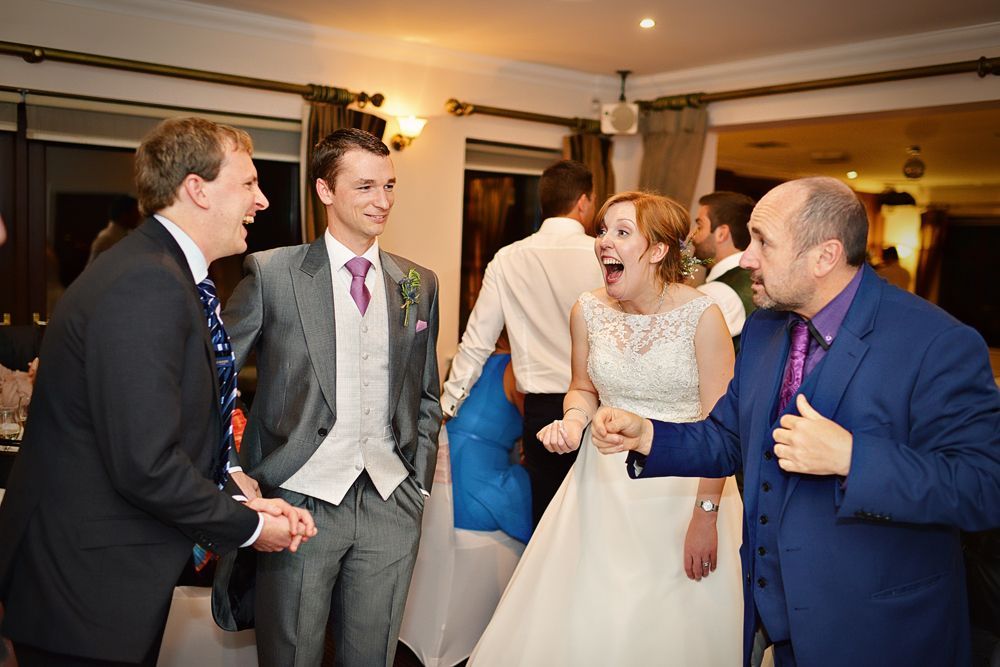



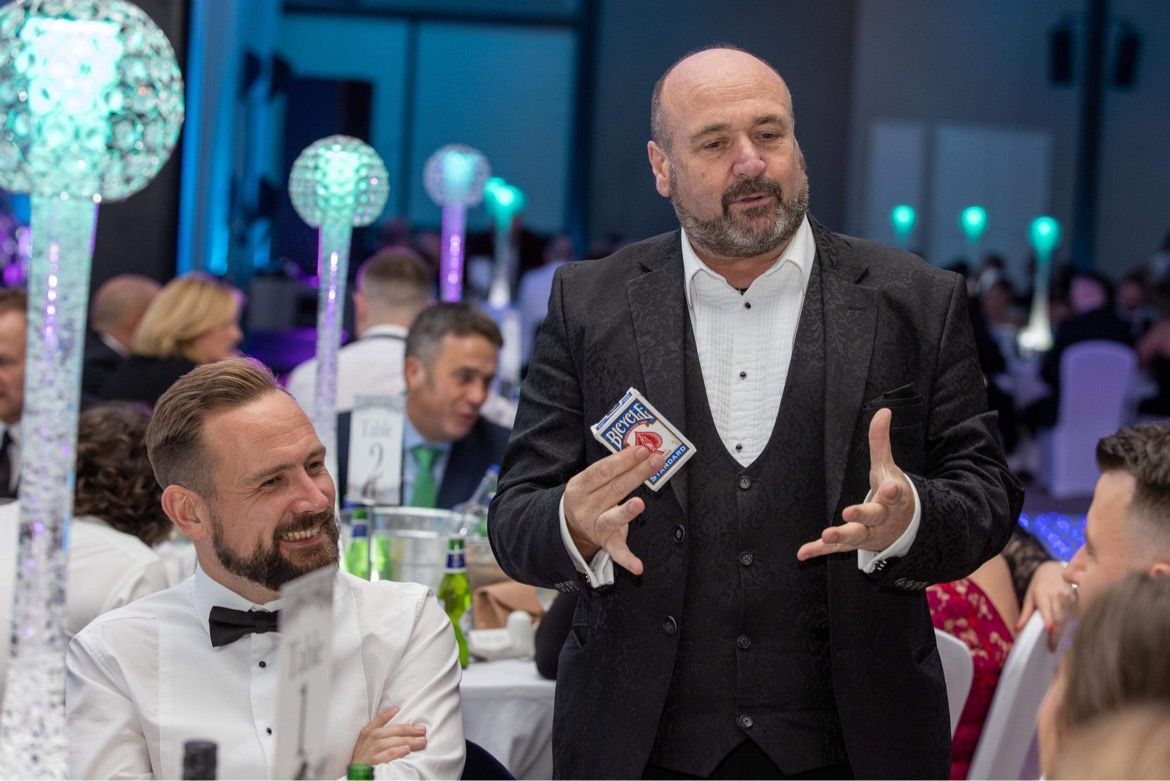
Why Hiring a Magician for Your Wedding, Party or Event Might Be the Best Decision You Make This Year