Martial Arts Magic: The Surprising Connection Between Martial Arts and Magic | Paul Roberts
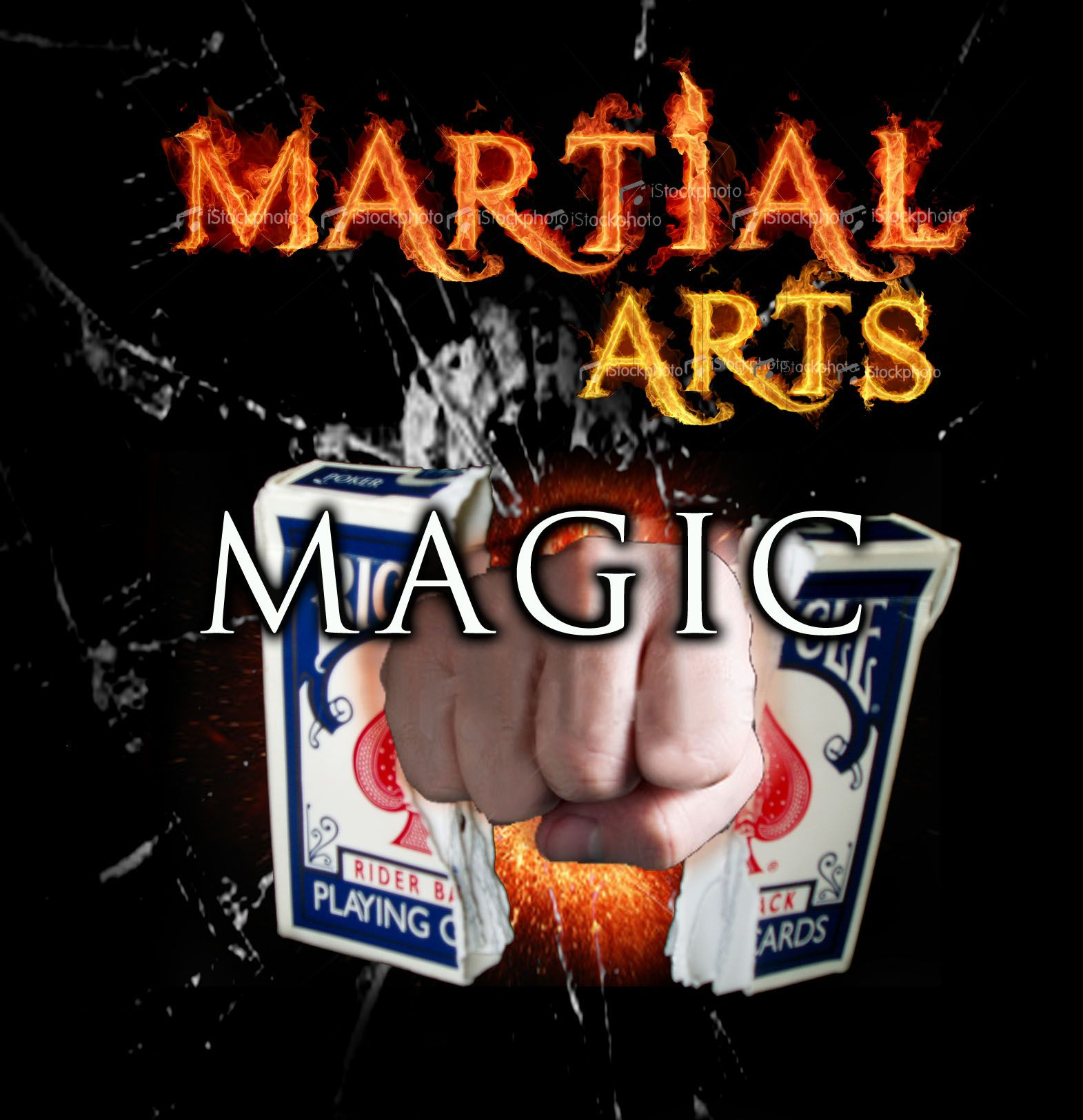
What connects martial arts and magic? Professional magician Paul Roberts explores the fascinating similarities between Jeet Kune Do, Thai Boxing, Jiu-Jitsu and the art of illusion.
At first glance, martial arts and magic might seem like two completely different worlds.
One is about movement, discipline and physical skill. The other is about illusion, psychology and creating moments that seem impossible.
But having spent many years exploring both, I've come to realise that they have far more in common than you might imagine.
I've trained in Jeet Kune Do (JKD), Thai Boxing and Jiu-Jitsu, and I've spent more than 30 years performing magic professionally. Over that time, I've noticed some fascinating similarities between the two disciplines.
In both, what people see is only part of the story. Behind every movement, there is thought, timing, practice and an understanding of human behaviour.
So, what exactly connects martial arts and magic?
The Art of Misdirection: Controlling Attention Without People Realising

One of the most important skills in magic is misdirection.
People often assume that a magician simply makes something disappear or appear. In reality, a great deal of the skill lies in guiding the audience's attention towards one thing while something else happens unnoticed.
Interestingly, there is a similar principle in martial arts.
Understanding where someone's attention is focused, recognising their reactions and being aware of what is happening around you can make a huge difference.
In magic, I might use a gesture, a look or a question to direct someone's attention. In martial arts, awareness of movement, positioning and intention is equally important.
Neither is necessarily about being faster than everyone else. It's about understanding what is happening and responding at precisely the right moment.
Timing Is Everything

A magical effect can be technically perfect, but if the timing is wrong, the moment can lose its impact. The audience might see something they weren't supposed to notice, or the reveal might happen before they've had time to appreciate it.
In martial arts, timing can be just as important. A movement performed at the wrong moment may be ineffective, whereas the same movement, delivered with the right timing, can make all the difference.
This is something that experience teaches you.
You can practise a technique thousands of times, but learning when to use it is another skill entirely.
In magic, the pause before the reveal can be just as important as the reveal itself.
Economy of Movement: Why Doing Less Can Achieve More
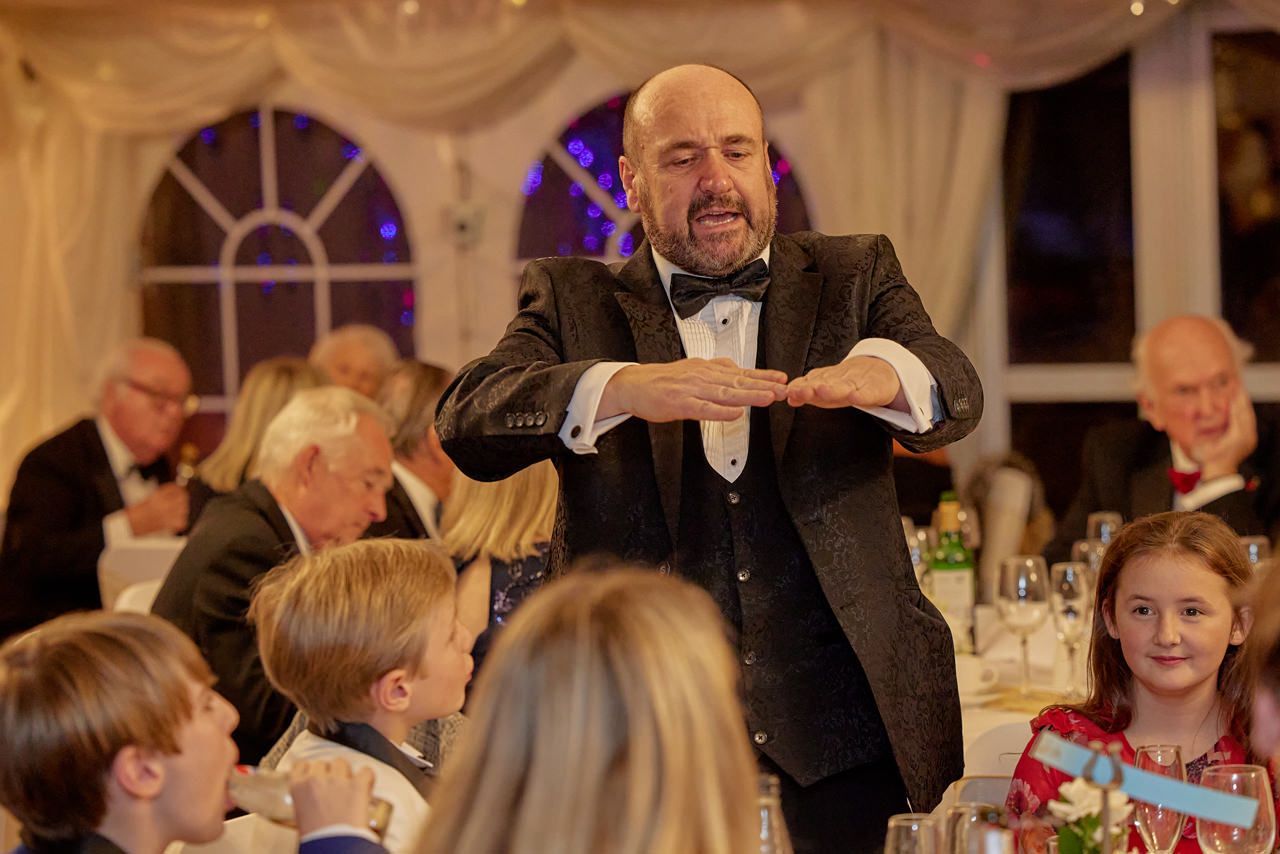
One of the things I've always found interesting about both disciplines is the importance of efficiency.
In magic, unnecessary movement can give away a secret. The more natural and relaxed a movement looks, the less likely it is to attract attention.
In martial arts, economy of movement is also an important principle. There is often no need for an elaborate movement when a simpler, more direct one will do.
My interest in Jeet Kune Do has made me particularly aware of this.
Bruce Lee's approach was famously centred around simplicity, directness and avoiding unnecessary movement. It's an idea that resonates strongly with the way I approach magic.
The best technique isn't necessarily the most complicated one. Often, it's the one that achieves the desired result with the least wasted effort.
Muscle Memory: The Thousands of Repetitions Nobody Ever Sees

When someone watches a magician perform an impossible effect, they see the finished result.
They don't see the hours of practice that went into making it look effortless.
The same is true of martial arts.
A technique that looks smooth and natural may have taken years of repetition to develop. Eventually, movements become more instinctive, allowing you to concentrate on what is happening rather than thinking through every individual action.
Magic is no different.
A sleight-of-hand technique might take hundreds or even thousands of repetitions before it becomes reliable enough to perform in front of an audience.
The aim isn't simply to learn the movement. It's to make it look completely natural.
That's where the real work happens.
Reading People: The Psychology Behind Magic and Martial Arts

Something else that connects these two worlds is the ability to observe people.
As a magician, I'm constantly watching reactions. Where is someone looking? Are they distracted? Have they noticed something unusual? Are they anticipating what might happen next?
Understanding people is a huge part of performing magic.
Martial arts also require awareness of another person's behaviour, movement and reactions. You learn to pay attention to details that might otherwise go unnoticed.
In both disciplines, observation can tell you a great deal.
Sometimes the smallest detail makes the biggest difference.
Bruce Lee, Jeet Kune Do and Thinking Outside the Box

My interest in Jeet Kune Do has also influenced the way I think about magic.
Bruce Lee challenged the idea that there was only one correct way to approach martial arts. His philosophy encouraged adaptability, simplicity and taking what was useful rather than following rules for the sake of following them.
I think there's a similar lesson in magic.
It's easy to become stuck doing things in a particular way simply because that's how they've always been done. But creativity comes from questioning, experimenting and looking at things from a different perspective.
As a magician, I'm always interested in how an effect can be improved, presented differently or made more memorable.
Being willing to think differently is important in both disciplines.
Scimitar Martial Arts: A Shared Passion
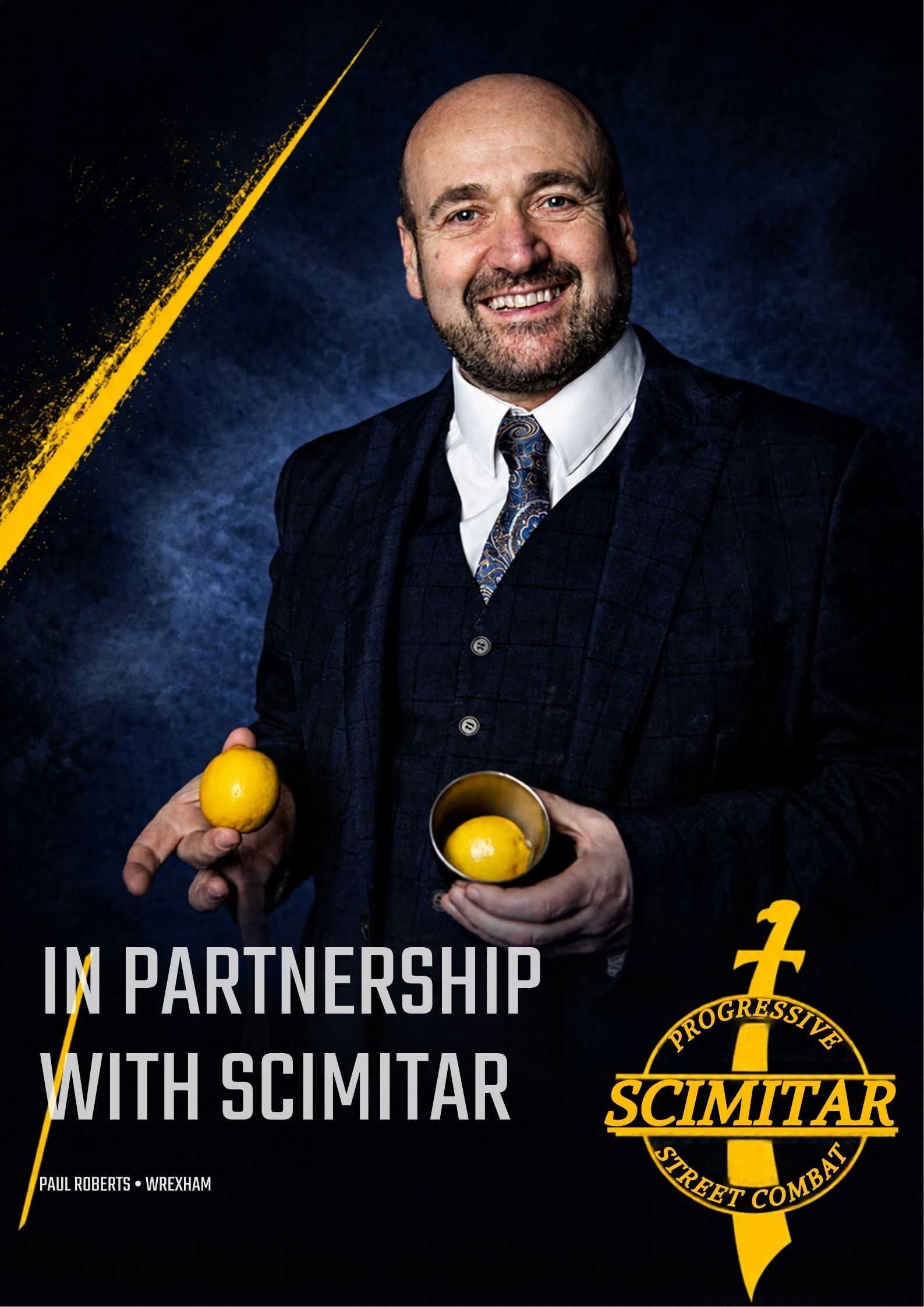
Martial arts have also introduced me to some fantastic people over the years.
One of them is my friend Carl Lewis, a highly skilled Sifu in Jeet Kune Do who runs Scimitar Martial Arts.
Carl's dedication to martial arts is something I have great respect for. Having a shared interest in the discipline, the skill and the philosophy behind martial arts gives us plenty to talk about.
It's always interesting to meet people who are passionate about their craft, whether that's martial arts, magic or something entirely different.
You can learn a lot from people who have spent years developing their skills and understanding their chosen discipline.
You can find out more about Carl and his work at Scimitar Martial Arts.
Discipline, Patience and the Journey to Mastery
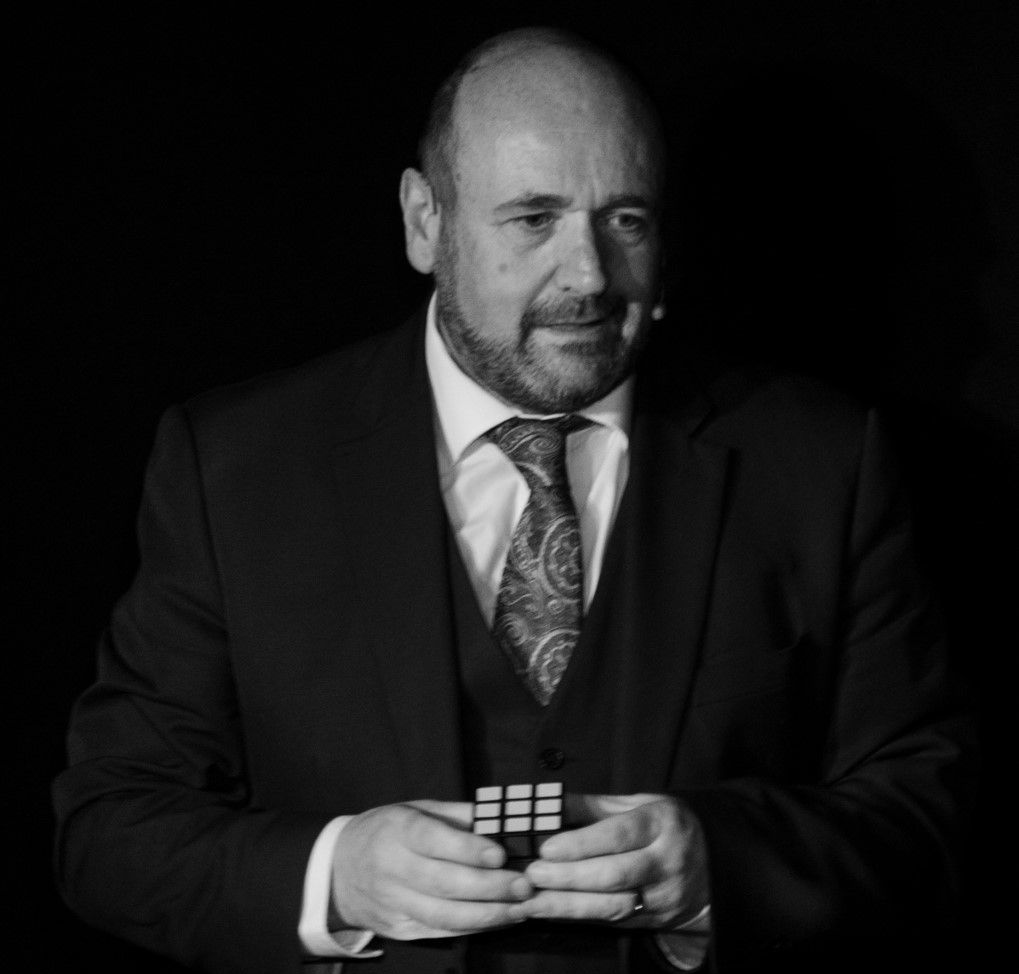
Perhaps the biggest connection between martial arts and magic is that neither offers a shortcut to mastery.
There are no magic tricks that can replace practice, and no martial arts techniques that become second nature overnight.
Both require patience, repetition, concentration and a willingness to keep learning.
There will always be something to improve, something new to discover and another level to work towards.
And perhaps that's what makes both so rewarding.
The audience sees the finished performance. The observer sees the polished technique. But neither necessarily sees the years of dedication behind it.
So, What Exactly Is Martial Arts Magic?
For me, the connection between martial arts and magic goes much deeper than simply sharing a few similar techniques.
Both are about understanding movement, timing, psychology, awareness and human behaviour.
Both reward discipline and creativity. Both require you to practise until something that once seemed difficult becomes natural.
And both can leave people wondering how on earth you just did that!
I never set out to combine martial arts and magic into one discipline. But having experienced both, I find it fascinating how often the principles overlap.
Perhaps the real magic isn't just in what people see.
It's in everything they don't.
If you would like to book me for any upcoming events, please refer to my contact page - https://www.paulrobertsmagic.com/contact






Why Hiring a Magician for Your Wedding, Party or Event Might Be the Best Decision You Make This Year